

Estimated reading time: 8 minutes
Table of contents
- Understanding Nursing Home Abuse and Neglect
- Common Signs of Nursing Home Abuse
- Why Nursing Home Abuse Happens
- Injuries Often Associated with Nursing Home Neglect
- What Families Should Do if Abuse Is Suspected
- Consult a Nursing Home Abuse Attorney
- Legal Rights of Nursing Home Residents in New Jersey
- Frequently Asked Questions About Nursing Home Abuse in Trenton, NJ
- Protecting Elderly Loved Ones in Trenton
Nursing homes and assisted living facilities are designed to be the safest places for our elderly loved ones to reside, providing ongoing medical care and assistance with activities of daily living. Families entrust these facilities to care for their loved ones and to keep them safe. The sad truth is that nursing home abuse and neglect are still very real problems in many of these facilities.

As nursing home abuse continues to plague communities across the nation, families in Trenton and throughout Mercer County must learn to recognize signs of abuse and understand their rights. At Pellettieri Rabstein & Altman, our attorneys have decades of experience representing victims of nursing home abuse and neglect in New Jersey and bringing perpetrators to justice for the harm caused to residents and their families.
This guide will provide information on the most common forms of nursing home abuse, how to recognize signs of neglect, and how to report any suspected abuse. If you suspect your loved one is being abused in a nursing home, it is important to take immediate action. Contacting a New Jersey attorney is the first step in ensuring your loved one receives the care they deserve and that those responsible are held accountable.
Understanding Nursing Home Abuse and Neglect
Nursing home abuse is when someone intentionally inflicts an injury or mistreats a resident. Neglect occurs when a facility fails to provide adequate care, supervision, medical attention, or other essential services and fails to meet the basic needs of the resident, resulting in some type of physical or emotional injury, sickness, or wrongful death.
Nursing homes are intended to provide care for the elderly and people who are severely incapacitated and unable to care for themselves. This includes providing adequate staffing, medical care, and facilities. Failure to meet these standards can result in unnecessary injuries and illnesses to residents.
Common types of nursing home abuse include:
- Physical abuse – hitting, pushing, or improper restraints
- Emotional abuse – intimidation, threats, or verbal humiliation
- Sexual abuse – any non-consensual sexual contact
- Financial exploitation – theft or misuse of a resident’s funds
- Medical neglect – failure to provide proper treatment or medication
- Basic care neglect – lack of hygiene, food, or supervision
Abuse in nursing homes may go unreported because the victim, such as an elderly person, may be afraid to come forward, may have some diminished capacity, or may depend on the caregiver for essential living activities. Often, it is the family member who first detects the problem and who must then take action to correct it.
Common Signs of Nursing Home Abuse
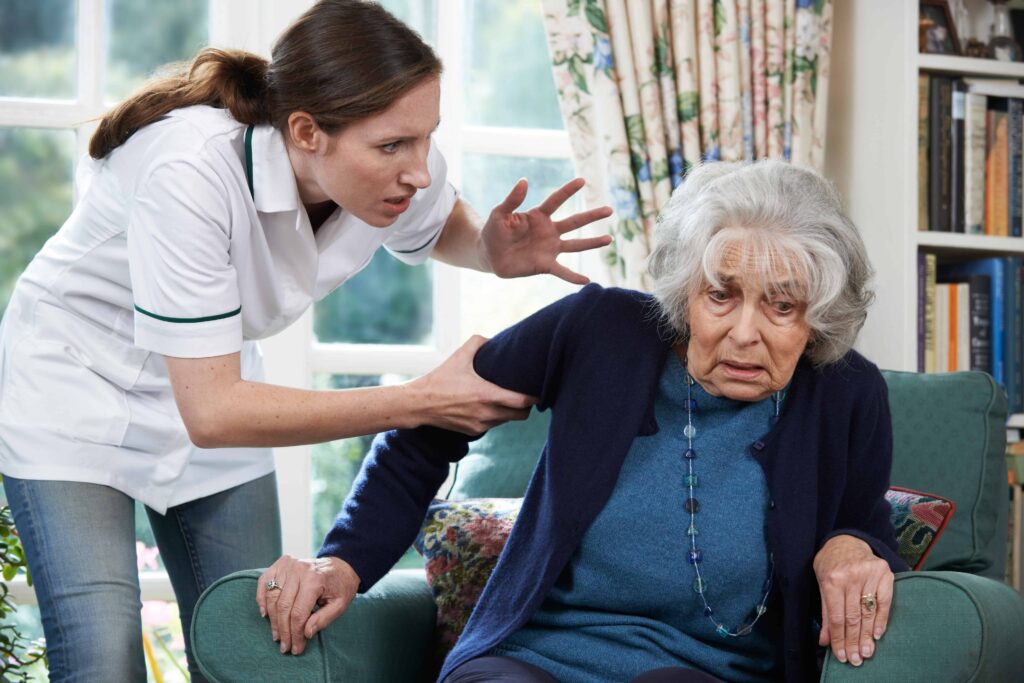
Recognizing the early warning signs of abuse or neglect can help families intervene before serious harm occurs. Certain physical and behavioral indicators may signal that a resident is not receiving proper care.
Physical Signs
Some of the most visible warning signs include:
- Unexplained bruises, cuts, or fractures
- Bedsores (pressure ulcers)
- Frequent infections or pneumonia
- Dehydration or malnutrition
- Sudden weight loss
- Poor hygiene or dirty clothing
- Bedsores, for example, often develop when immobile residents are not repositioned regularly by staff members.
Behavioral Changes
Abuse may also appear through emotional or behavioral changes, such as:
- Fear of certain caregivers
- Withdrawal from social activities
- Sudden depression or anxiety
- Changes in appetite or sleep patterns
These changes may occur in the event of emotional abuse or neglect and in conjunction with other physical changes.
Why Nursing Home Abuse Happens
It sometimes appears that problems are the result of individual malfeasance rather than an organizational malfunction.
Common causes include:
- Understaffing – Too many facilities have too few staff on duty at any given time to safely care for all the residents. Missed medications, inadequate supervision, and delayed medical care are all potential problems.
- Poor Staff Training – Employees who are not properly trained can cause harm to the patient, fail to diagnose a serious health condition or cause harm to the patient by incorrectly administering medication.
- Lack of Supervision – Facilities do not always watch the behavior of their staff closely or enforce safety rules for residents who may be at risk of abuse or neglect.
- Facility Negligence – Injuries can occur when the environment is not safe, sanitation is poor, and medical oversight is lacking.
Licensed facilities such as nursing homes and assisted living facilities have a legal and statutory duty to provide a safe environment to their residents and to timely identify and report any injuries that occur to residents due to the actions of an employee. In the event that a facility fails to meet this standard and causes serious injury to a family member, the family has a valid legal claim.
Injuries Often Associated with Nursing Home Neglect
Individuals living in long-term care facilities may need assistance with various aspects of their daily lives. These could include mobility assistance, assistance with taking medication, and aid with basic hygiene. When caregivers are not properly meeting these needs, specific injuries are more likely to occur.
Examples include:
- Falls and fractures
- Head injuries or traumatic brain injuries
- Pressure ulcers (bedsores)
- Medication errors
- Infections or sepsis
- Malnutrition and dehydration
In extreme cases, neglect can lead to wrongful death and it is not uncommon for parents and loved ones to seek legal redress in an attempt to hold others accountable for the death of someone significant.
What Families Should Do if Abuse Is Suspected
If you suspect a loved one is being abused or neglected in a nursing home, acting quickly can protect their safety and preserve evidence.
Ensure Immediate Safety
If your loved one is in danger, call the Emergency Services. Also, take them to a hospital.
Document Evidence
- Record observations, including:
- Photographs of injuries
- Dates and times of incidents
- Names of staff members involved
- Changes in medical condition
- Detailed documentation can be crucial when building a legal claim.
Report the Abuse
- Concerns may be reported to:
- The nursing home administration
- The New Jersey Department of Health
- The Long-Term Care Ombudsman
Consult a Nursing Home Abuse Attorney
A qualified law firm can assist a family in determining whether a facility was negligent in any respect, in obtaining necessary medical records, and in seeking financial recompense for their loved one’s injuries or death.
Nursing home lawyers can also ensure facilities are properly held accountable and that the rights of nursing home residents are preserved.
Legal Rights of Nursing Home Residents in New Jersey
Federal and state laws provide important protections for nursing home residents.
Residents have the right to:
- Live free from abuse and neglect
- Receive proper medical care
- Maintain dignity and privacy
- Reside in clean and safe conditions
- Participate in decisions about their care
These rights are guaranteed under federal regulations and law regarding nursing homes and the rights of nursing home residents.
When a facility violates any of these rights, a resident or their family can bring a civil lawsuit in search of damages and relief.
Frequently Asked Questions About Nursing Home Abuse in Trenton, NJ
What is considered nursing home abuse?
Nursing home abuse is abuse involving any non-accidental physical, emotional, financial, or sexual abuse of the resident. Abuse of a resident includes neglect when the neglect concerns any of the basic food and nutritional needs, medical care, health maintenance, including dental health, hygiene, and shaving, or adequate supervision.
What are the most common signs of nursing home neglect?
Some of the tell-tale signs that a person is being neglected or abused include unexplained injuries, bedsores, poor personal hygiene, rapid weight loss, emotional withdrawal, and an overall decline in their well-being or display of unusual behaviors or mood swings.
Who can be held responsible for nursing home abuse?
Several parties may be responsible, including:
- Individual caregivers or staff members
- Nursing home administrators
- The facility management company
- Medical providers working in the facility
This can take a considerable amount of time to prepare for and investigate, and may require scrutiny of a number of factors such as staffing levels, medical protocols, and organisational policies.
How long do families have to file a nursing home abuse lawsuit in New Jersey?
In many cases, the statute of limitations for personal injury claims in New Jersey is two years from the date the injury occurred or was discovered.
Can families sue a nursing home for negligence?
Yes. If you believe a nursing home’s negligence caused your loved one’s injury or death, you may have a good personal injury or wrongful death case and the potential to receive monetary compensation through a lawsuit.
What compensation may be available in a nursing home abuse case?
The value of compensation can vary depending on a range of circumstances, but generally covers damages such as medical expenses, pain and suffering, emotional distress, future health care bills, or funeral costs in wrongful death cases.
Protecting Elderly Loved Ones in Trenton
It can be a terrible shock when we first realise that a loved one may be suffering at the hands of abuse or neglect in a care home. However, there are steps that can be taken that can help not only to protect the victims, but also to ensure that those responsible are held to account.
Identifying the signs of potential mistreatment, making a record of any concerns that are noted, and seeking legal advice are all important measures that can be taken to prevent further suffering to other residents.
Our experienced New Jersey personal injury lawyers at Pellettieri Rabstein & Altman have decades of expertise in handling the cases of victims and their families. Our staff investigates claims of abuse and neglect and prosecutes the guilty facilities that cause harm to patients, victims, and innocent families whose loved ones have been hurt.
If you believe a loved one living in a nursing home in Trenton is being abused, there are steps you can take to rectify the situation and begin the process of keeping them safe and protected as quickly as possible. Contact us today for a free consultation.


