

Estimated reading time: 15 minutes
Table of contents
- Understaffing and Inadequate Training
- How Understaffing Leads to Nursing Home Neglect
- Infections That Should Have Been Treated — And Weren’t
- Why Dementia Patients Are at Greatest Risk
- Read the Admissions Paperwork Before You Sign
- Emotional and Psychological Abuse
- Medical Neglect
- Neglect of Basic Needs
- Financial Exploitation
- Falls and Failure to Supervise
- Nursing Home Abuse and Neglect Attorney Spotlight
- Serving Families Across Central and Southern New Jersey
- Frequently Asked Questions:
- What Should Families Do If They Suspect Abuse?
Deciding to move a loved one to a nursing home is one of the toughest decisions families have to make. Placing a loved one in a nursing home requires families to trust that the facility will provide proper medical care, supervision, dignity, and safety. The reality is, neglect and abuse of seniors is a serious problem with profound physical and emotional consequences for residents and their families. Knowing some of the more common triggers for nursing home abuse claims can help prevent such problems and guide families who find themselves in need of experienced counsel.
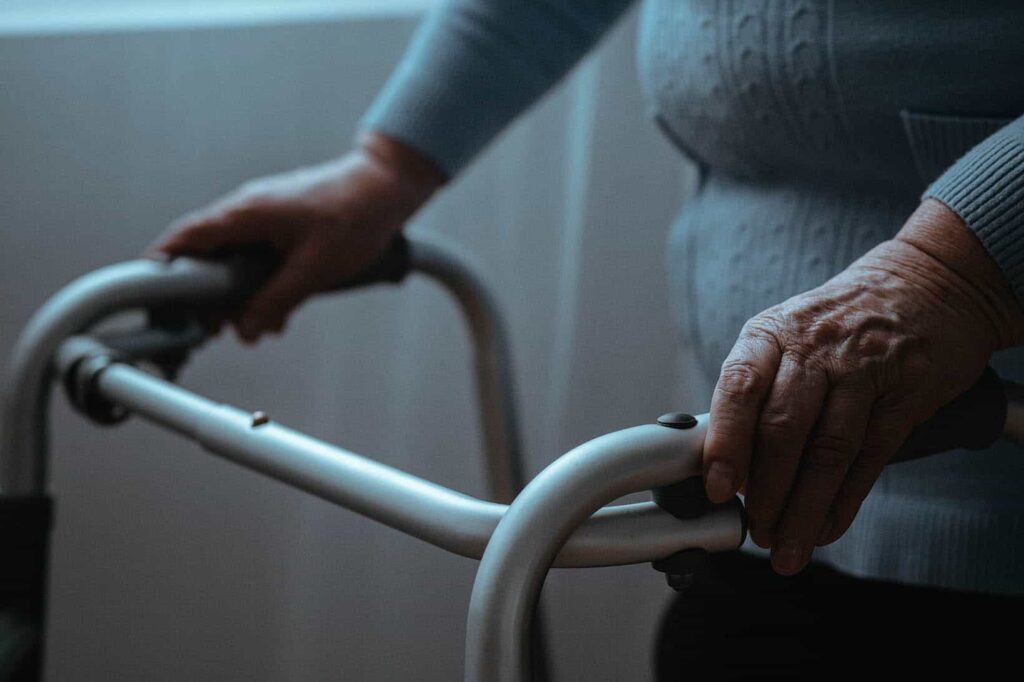
Nursing home residents in New Jersey are protected by the federal Nursing Home Reform Act, which establishes minimum standards of care, as well as the New Jersey Nursing Home Responsibilities and Rights of Residents Act (N.J.S.A. 30:13-1 et seq.), which give residents the right to dignity, privacy, adequate medical care, and freedom from abuse and restraint. When these standards are not met, it is often due to systemic failures by the facility itself, noting that abuse can result from systemic problems with hiring, training, or chronic understaffing on the part of the nursing home.
For decades, the New Jersey nursing home abuse lawyers at Pellettieri Rabstein & Altman have been successfully fighting for the rights of elderly and disabled individuals who reside in New Jersey long-term care facilities and have been subjected to abuse and neglect. There are many reasons why individuals or their family members file nursing home abuse claims. Below we highlight the most common causes for filing a claim and some of the key indicators that a loved one is being abused.
Understaffing and Inadequate Training
Chronic understaffing within nursing facilities is one of the leading causes of nursing home abuse and neglect. When facilities are operating with low budgets, they cut back on labor costs by understaffing. This leads to overworked, over-burdened employees who are unable to adequately care for all of their assigned residents. Families can also review CMS Nursing Home Compare ratings and New Jersey Department of Health inspection reports to identify patterns of staffing shortages, safety violations, infection control issues, and prior complaints against a facility. Without sufficient staff, timely assistance with daily living tasks, medication management, and proper hygiene needs are often the first to be cut. In these circumstances, both innocent neglect and intentional abuse can occur.
Staff are not properly trained to care for seniors and people with cognitive disabilities. Lack of training in de-escalation, or in how to support individuals with complex care needs, leads to situations where care fails to meet accepted standards. By cutting hiring qualifications and reducing training, nursing homes put their residents at risk.
How Understaffing Leads to Nursing Home Neglect
Inadequate staffing is one of the leading causes of nursing home abuse and neglect in New Jersey. When facilities don’t employ enough qualified caregivers, residents suffer, wounds go untreated, medications are missed, and call lights go unanswered for hours.
Nursing homes are supposed to have enough staff to take care of their residents, but a lot of them don’t have enough people working there. So, they have to bring in workers from outside agencies who don’t really know the residents. Or, they make the staff they already have work one shift right after another, which is really tiring. When the people taking care of the residents are tired and don’t know them very well, they can make mistakes. And those mistakes can hurt the residents.
When nursing home staff keep changing, it makes things worse. Experienced caregivers are leaving because they’re exhausted and not paid enough. The new people who replace them don’t have the skills to take care of residents with serious medical conditions.
Infections That Should Have Been Treated — And Weren’t
For elderly nursing home residents, an untreated infection can turn fatal within days. Common, preventable conditions, UTIs, infected pressure ulcers, and aspiration pneumonia can escalate into sepsis and death when staff fail to recognize the warning signs and act promptly.
Urinary tract infections (UTIs) are among the most common infections affecting nursing home residents. However, they are often more difficult to identify in elderly residents because symptoms may present atypically or appear as sudden confusion, agitation, or rapid cognitive decline. Instead of the usual signs, elderly people with UTIs might get confused or their health might decline suddenly. Dehydration is a big problem too, and it’s often a sign of neglect. When people are dehydrated, they’re more likely to get infections.

Another major issue is aspiration pneumonia, which happens when food or liquids are inhaled into the lungs. This can occur if staff aren’t feeding residents properly or if they’re not following the right protocols for people who have trouble swallowing. Aspiration pneumonia is one of the top causes of death in nursing homes. It’s a serious problem that needs attention.
Why Dementia Patients Are at Greatest Risk
Residents with Alzheimer’s disease and other forms of dementia are among the most vulnerable people in any nursing home, and the least able to speak up for themselves. Many cannot describe pain, recall incidents of mistreatment, or have their accounts taken seriously when they do try to communicate. This silence makes them targets.
Wandering and elopement are serious safety risks that require specific safeguards: secured exits, door alarms, and individualized care plans. When a facility knows a resident wanders and does nothing, any resulting injury is the facility’s legal responsibility.
Physical and sexual abuse disproportionately affect residents with dementia. A resident’s inability to testify does not make a claim unprovable, medical records, staff schedules, and expert testimony can tell the full story.
Read the Admissions Paperwork Before You Sign
In the chaos of placing a loved one in a nursing home, admissions contracts often get signed without a close read. That can be a costly mistake.
Many facilities include pre-dispute arbitration clauses that strip families of the right to a jury trial if abuse or neglect occurs. Arbitration is private, limits discovery, and is nearly impossible to appeal. Some contracts go further with explicit jury trial waivers. Families frequently don’t realize they’ve signed these provisions until they’re trying to pursue a claim.
In New Jersey, some contracts have clauses that might not always be fair, but trying to get out of them can be a long and costly process. A better idea is to have a lawyer look over the contract before you sign it. You might even be able to cross out certain parts, like arbitration clauses, and still get your loved one into the facility – just make sure to initial the changes you make.
Physical Abuse by Caregivers
Physical abuse is the most well-known type of abuse in long term care. Physical abuse occurs when a resident suffers intentional physical harm at the hands of a caregiver, staff member, or other responsible individual. Some examples of physical abuse include hitting, slapping, kicking, burning, shoving or the misuse of physical restraints. Residents experiencing physical abuse may have unexplained bruises, fractures, burns, or marks on the wrists or ankles.
Physical abuse claims often arise when a skilled facility worker screens employees poorly for a history of violent behavior, or when abusive behavior is observed by a manager, but ignored. It is the obligation of nursing facilities to investigate all reports of abuse and prevent any individuals who are a danger to their residents from having contact with them. Not taking such steps can lead to substantial liability.
Emotional and Psychological Abuse
Although not as visible as physical abuse, emotional abuse can be detrimental and should not be underestimated. It is carried out by caregivers who use verbal and nonverbal behavior, such as yelling or publicly humiliating residents, to create a mentally unhealthy environment. Other examples of emotional abuse include issuing threats, using demeaning language, or isolating residents from their family and friends against their will.
Watch for recent changes in behavior such as withdrawing from activities and social events, unusual mood swings, depression, or extreme anxiety. Emotional and psychological abuse can also leave visible signs of fear and agitation when a person sees a particular caregiver. Emotional abuse, unlike physical abuse, leaves no visible signs of harm and, as a result, is easily hidden from view so a watchful eye from family members is especially important to detect and report any harm.
Medical Neglect
One of the most serious forms of care mistreatment suffered by nursing home residents is medical neglect. Common legal claims based on medical neglect occur when evidence establishes that a facility has consistently failed to meet a resident’s medical needs, such as:
- not administering medications or treating wounds appropriately
- failing to recognize and seek appropriate treatment for infections
- developing and failing to treat bedsores or pressure ulcers
- failing to seek timely medical advice or care as a resident’s medical condition changes
Advanced pressure ulcers, particularly Stage III or Stage IV bedsores, are often strong indicators of prolonged neglect and inadequate repositioning. These are problems that can be easily prevented with regular repositioning of a bedridden senior.
Neglect of Basic Needs
A nursing home resident’s quality of life is not defined solely by the quality of medical care they receive on a daily basis. Residents and their families also have a right to reasonable assurance that a nursing home facility will meet their basic needs for food, water, clothing, thermostat control and a safe environment among other things.
Resident neglect occurs when a nursing home facility fails to meet a resident’s basic needs and causes hardship or illness to the resident. Many cases of resident neglect involve malnutrition or dehydration and show a pattern of failing to maintain residents in a clean and dignified environment. Soiled clothing, failing to change soiled bed linens, and neglecting to bathe or provide dental care for a resident are all signs of neglect and indicators that a nursing home is not meeting its obligations.
Financial Exploitation
Financial abuse is another significant and often overlooked category of nursing home misconduct. It occurs when a caregiver or staff member exploits a vulnerable resident for personal financial gain. This can take the form of outright theft of cash or personal property, unauthorized use of a resident’s debit or credit card, forgery of checks, or involvement of the resident in fraudulent investment schemes.
Elderly residents with cognitive impairments are particularly vulnerable to financial exploitation. Families should monitor bank statements and financial accounts closely and be alert to sudden, unexplained changes in a loved one’s financial situation. Missing personal items from a resident’s room may also be an early warning sign.
Falls and Failure to Supervise
Falls by nursing home residents are a leading cause of injuries requiring hospitalization. While some falls are inevitable, a pattern of repeated or unexplained falls can suggest the failure of a nursing home to provide quality care. Under federal law, every nursing home must evaluate each resident’s fall risk and implement appropriate prevention measures, such as bed alarms, mobility assistance, non-slip footwear, individualized care plans, and adequate supervision.
Falls at skilled nursing facilities, assisted living residences, and nursing homes caused by understaffing, lack of appropriate supervision, or deviation from a resident’s care plan can lead to serious injuries such as traumatic brain injuries and severe orthopedic injuries including hip fractures. The facility may be responsible for any resulting injuries sustained by the resident.
Nursing Home Abuse and Neglect Attorney Spotlight
Sherri L. Warfel is Chair of the Nursing Home Abuse and Neglect practice at Pellettieri Rabstein & Altman in New Jersey, with over 25 years of experience representing victims of nursing home negligence and abuse. Her work focuses on cases involving pressure wounds, preventable falls, fractures, infections, and wrongful death resulting from nursing home malpractice.
She is certified by the Supreme Court of New Jersey as a Civil Trial Attorney and has settled and tried hundreds of cases on behalf of nursing home abuse victims. Notable results include a $750,000 wrongful death settlement involving negligent medication deprivation at a nursing home.
Warfel earned her J.D. from Rutgers School of Law in 1998 and began her career at PR&A following a judicial clerkship. She has been recognized on the New Jersey Super Lawyers list and is an active member of the NJ State Bar and Mercer County Bar Associations.
Serving Families Across Central and Southern New Jersey
Nursing home abuse and neglect cases arise in facilities throughout Central and Southern New Jersey, including the following counties and communities:
Mercer County
As home to our Trenton and Lawrence Township offices, Mercer County is at the heart of our practice. We have extensive experience handling nursing home abuse and neglect claims on behalf of families throughout the county. Mercer County is home to a number of long-term care and assisted living facilities, and our attorneys understand the local landscape, including the regulatory agencies, court systems, and facility operators that families must navigate when something goes wrong.
Trenton
As New Jersey’s state capital, Trenton has a significant elderly population and several nursing homes and assisted living facilities serving residents across the city. Families in Trenton who suspect a loved one is being abused or neglected have access to important reporting resources, including the New Jersey Department of Health and the Long-Term Care Ombudsman. Our Trenton-area attorneys can help families cut through the complexity and take swift legal action to protect their loved ones.
Princeton
Princeton and the surrounding communities are home to a number of premier assisted living and skilled nursing facilities. Unfortunately, even highly regarded facilities can be the site of abuse or neglect when staffing gaps, inadequate oversight, or individual misconduct go unchecked. Families in Princeton and the surrounding area can rely on Pellettieri Rabstein & Altman to thoroughly investigate their concerns and pursue accountability on their loved one’s behalf.
Hamilton
Hamilton Township is one of Mercer County’s most populous municipalities and is served by multiple long-term care facilities. Our attorneys have assisted Hamilton families in pursuing claims involving physical abuse, medical neglect, falls, and financial exploitation. If you believe a loved one in a Hamilton nursing home has been harmed, contact our team for a free and confidential case review.
Middlesex County
Middlesex County is one of the most densely populated counties in New Jersey and is home to a wide range of nursing homes, rehabilitation centers, and assisted living communities. The sheer number of facilities in the county means that families have many choices, but also face real challenges in identifying which facilities maintain adequate standards of care. Our attorneys serve families across Middlesex County, from New Brunswick and Edison to Woodbridge and Piscataway, helping them understand their rights and pursue justice when abuse or neglect has occurred.
Burlington County
Stretching from the Delaware River to the Pinelands, Burlington County encompasses a broad range of communities, each with its own long-term care facilities. Families in Burlington County, including those in Mount Holly, Evesham, Moorestown, and Medford, deserve access to skilled legal representation when a nursing home fails their loved one. Pellettieri Rabstein & Altman has a proven track record of securing meaningful compensation for Burlington County families affected by nursing home abuse and neglect.
Monmouth County
Monmouth County’s growing senior population has driven increased demand for nursing homes and assisted living services throughout the county. Communities such as Freehold, Red Bank, Middletown, and Asbury Park are home to numerous long-term care facilities. When those facilities fail to protect their residents, through neglect, physical abuse, or financial exploitation, our attorneys are prepared to step in. We understand the particular challenges that Monmouth County families face and are committed to holding negligent facilities accountable.
Frequently Asked Questions:
What are the warning signs of nursing home abuse?
Warning signs vary depending on the type of abuse, but common red flags include unexplained bruises, cuts, or burns; bedsores or pressure ulcers; sudden weight loss or dehydration; poor hygiene or soiled clothing; frequent unexplained falls or hospitalizations; and missing personal belongings or unexpected changes in finances. Behavioral signs matter just as much, watch for sudden withdrawal from family, anxiety, depression, or a resident’s refusal to speak in front of certain staff members.
Can I sue a nursing home for a fall injury?
Yes, in many cases. Nursing homes have a legal duty to assess each resident’s fall risk and put appropriate precautions in place, bed rails, non-slip footwear, call lights within reach, adequate supervision, and regular safety checks. When a facility ignores a known fall risk or fails to follow its own care plan and a resident is injured, the facility can be held liable.
What if my loved one has dementia?
Residents with dementia or Alzheimer’s disease are among the most vulnerable, and the most frequently abused, in nursing home settings. Because they may be unable to report mistreatment or have their accounts taken seriously, abuse often goes undetected for longer. A claim is still very much pursuable.
How do I report nursing home abuse in NJ?
You have several reporting options in New Jersey. You can file a complaint with the New Jersey Department of Health’s Division of Long-Term Care Systems, which oversees nursing home licensing and compliance. You can also contact the New Jersey Long-Term Care Ombudsman, an independent state agency that advocates for residents’ rights and can investigate complaints on your behalf.
How long do I have to file a lawsuit?
In New Jersey, the statute of limitations for nursing home abuse and neglect claims is generally two years from the date of the negligent act or from the date the injury was discovered. Waiting too long can permanently bar your ability to recover compensation, no matter how strong the case. If your loved one has passed away as a result of nursing home neglect, a wrongful death claim must also generally be filed within two years.
What compensation is available in a nursing home abuse case?
Victims of nursing home abuse and neglect in New Jersey may be entitled to compensation for medical expenses related to the abuse or neglect, pain and suffering, emotional distress, disability, and diminished quality of life. In wrongful death cases, surviving family members may recover for funeral expenses and the loss of their loved one’s companionship.
What Should Families Do If They Suspect Abuse?
Our attorneys routinely investigate cases involving chronic understaffing, medication mismanagement, preventable falls, untreated pressure ulcers, dehydration, and delayed emergency response.
If you notice signs that your loved one may be experiencing abuse or neglect in a New Jersey nursing home, do not wait. Document any visible injuries with photographs, report your concerns in writing to nursing home management, and contact the appropriate authorities, including the New Jersey Department of Health, the Long-Term Care Ombudsman, or Adult Protective Services, depending on the circumstances.
Most importantly, speak with an experienced nursing home abuse attorney as soon as possible. New Jersey law imposes a two-year statute of limitations on personal injury claims, meaning that time is critical. At Pellettieri Rabstein & Altman, we offer free case reviews with no upfront fees. If we take your case, you pay nothing unless we recover compensation for you.
Your loved one has a right to dignity, safety, and compassionate care. If that right has been violated, our team is here to help you fight back. Contact us today to schedule a consultation.


