

Estimated reading time: 8 minutes
Table of contents
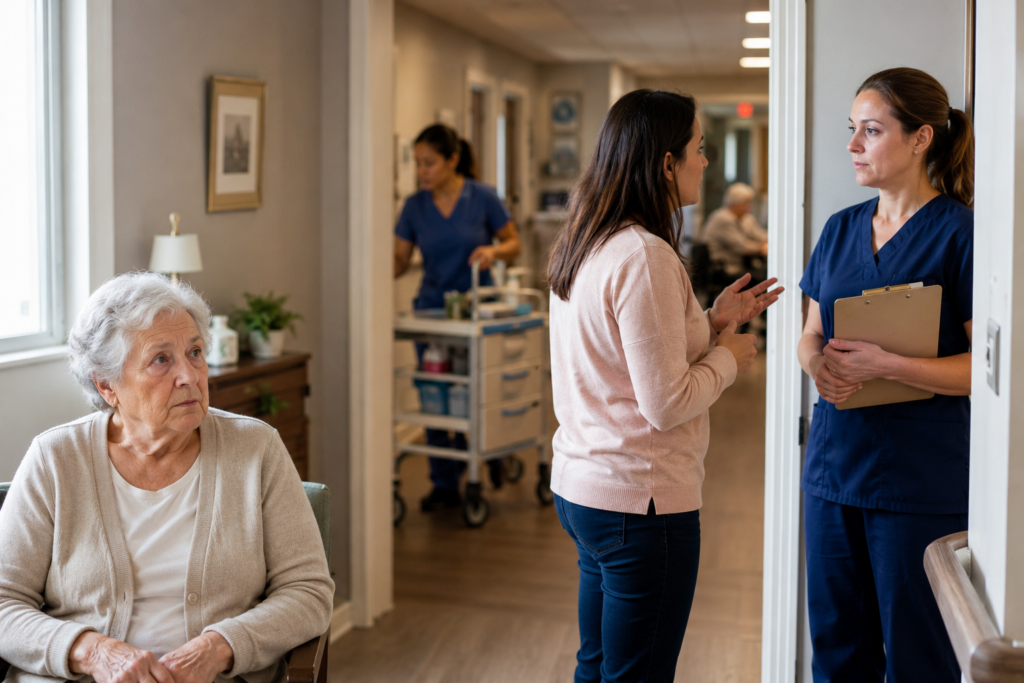
Nursing home staff in New Jersey are responsible for caring for aging parents, grandparents and other seniors 24 hours a day, 7 days a week. However, when a nursing home is not properly staffed, trust is broken and can lead to serious harm to residents. An understaffed nursing home in NJ can cause a variety of problems including residents being missed for medications, bedsores developing and going untreated, residents falling, residents becoming malnourished, and many other serious problems.
Identify the issues of an understaffed nursing home in NJ and what to do when you suspect your loved one’s nursing home is not staffing adequately to provide appropriate care for their loved one.
Why Nursing Home Understaffing Is a Growing Problem in New Jersey
The problem of understaffing at many of New Jersey’s nursing homes has been a long-standing one, but one that has been exacerbated by the COVID-19 pandemic. Issues such as high turnover, low wages of certified nursing assistants (CNAs) and the drive by corporate profits of ownership to keep costs down are a few of the contributing factors to the severe shortages of direct care givers that many of the homes are trying to operate with.
Although the State of New Jersey has recently implemented rules and regulations that require the minimum direct care staffing ratios for nursing home residents, if a facility does not meet the required number of certified nursing assistant hours per resident per day, residents are placed in jeopardy. In addition, the facility would be in violation of State rules and regulations.
You can’t always tell from walking into the beautiful lobby of a nursing home that there is a severe shortage of caregivers in the units. It is common for residents to experience lengthy delays in receiving assistance with activities of daily living such as using the bathroom, being repositioned from bed to bed, or receiving their prescribed medications.
Warning Signs of Understaffing
When a family travels to a long term care facility where a loved one resides, such as in Mercer, Essex, Morris, Camden and Middlesex counties they should be on the lookout for:
- Residents’ call lights are left on for long periods of time and no one attends to them
- Residents left in soiled clothing or bedding
- Missed or late medication administration
- Sudden weight loss or signs of dehydration
- New bedsores (pressure ulcers) or wounds that worsen
- Frequent falls or unexplained injuries
- Staff who seem rushed, overwhelmed, or unfamiliar with a resident’s care plan
- There is high turnover of the staff of aides and nurses that care for your loved one
While one of these signs by itself would not necessarily indicate any problems, however, if you see a cluster of them, they could indicate neglect of the residents as a result of a facility being understaffed and trying to spread too few people to care for too many residents.
What to Do If You Suspect Understaffing
1. Document Everything
Record all of your visits, including times and specific observations of any conversations with the staff including names and job titles. Take photos of any injuries, wounds, or unsanitary conditions, along with notes as to when and where the photos were taken. These records will serve as documentation and potentially as evidence of neglect or abuse in the future.
2. Talk to the Staff and Administration
Raise your concerns with the charge nurse and / or administrator of the facility. Find out how many CNAs are on the floor at night, how often is your loved one supposed to be repositioned. Your direct question often prompts immediate change of action to prevent further decline. Other times, it brings to light more serious systemic problems.
3. Review Your Loved One’s Care Plan
Even a well-written care plan can be violated on a regular basis when there are not enough staff members on duty to implement the care that has been planned for a particular resident. We look for discrepancies between what the plan says should be done and what actually is done for the resident.
4. File a Formal Complaint
If you are a resident or family member of a resident in a nursing home in New Jersey, you can file a complaint with the Department of Health for investigation of complaints regarding a licensed nursing facility. The Department can investigate issues concerning staffing, as well as other matters, and may cite a facility for certain violations and require the facility to develop a plan of correction for any deficiencies found on survey.
5. Request Staffing Records
Nursing homes are required to keep and often to disclose information regarding the staffing of the facility. Nursing homes that receive Medicare and/or Medicaid funding are required to submit staffing information to the federal government on an annual basis. Much of this information is placed on the public record and can be used to confirm whether or not a facility was operating at below required staffing levels when your loved one was harmed.
6. Consult a Nursing Home Neglect Attorney
If your loved one has been injured (for example: a fall, a fall, a pressure sore, a medication error, etc.), an experienced attorney can help determine if the resident’s injuries were caused by the facility’s understaffing and seek accountability from the facility for their conduct.
When Understaffing Becomes a Legal Case
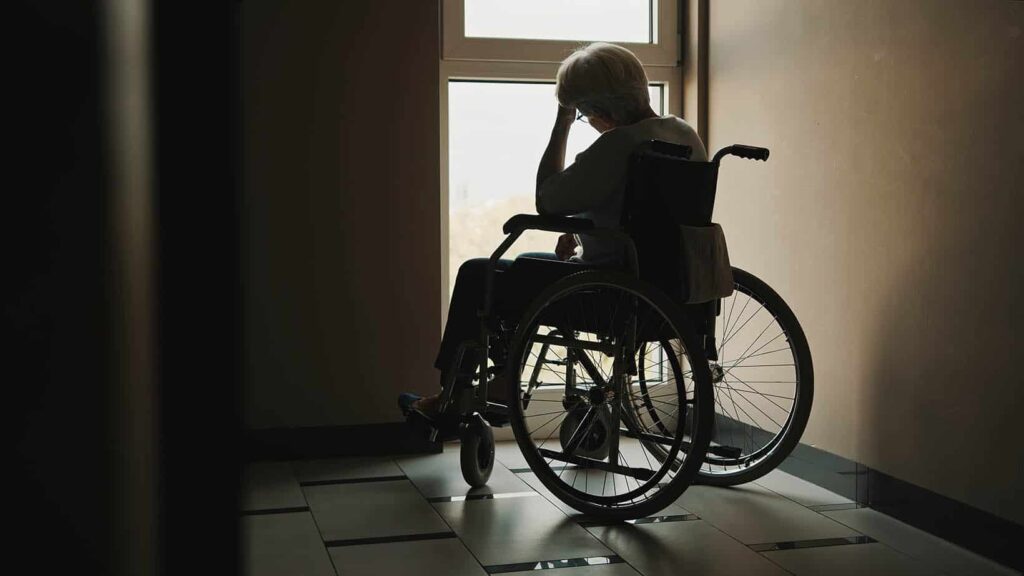
Not every staffing shortage leads to a lawsuit, but the fact of understaffing is a large component of many nursing home neglect lawsuits where a resident is injured. A nursing home staffing lawsuit NJ families file will generally require:
- A duty of care existed between the facility and the resident (this is generally automatic in a licensed nursing home).
- The breach of care created by the understaffed facility caused the resident’s injuries; in simpler words, the resident would not have been injured but for the lack of adequate staffing to meet the needs of the resident.
- The causation between the short staffing and the resident’s injury (e.g. a fall because there was no available aide to assist with the resident’s mobility).
- The actual damages incurred by the resident, such as additional medical care, pain and suffering and in the worst cases, wrongful death.
Documentation, incident reports, employee schedules and internal correspondence of the facility are often the types of evidence used to develop a claim for nursing home understaffing. An experienced nursing home lawyer will subpoena the documentation of a facility and then consult with medical and staffing experts to develop a strong claim of neglect for the resident.
Local Support for New Jersey Families
Families all over New Jersey – from Trenton and Lawrence Township, to Cherry Hill, Morristown, Nutley and points in between – hire experienced local attorneys to represent their loved ones in Nursing Home cases where the facility has failed to provide fundamental care to which their residents are entitled. Because Nursing Home cases involve State licensing issues, Medicare/Medicaid staffing disclosures and the specifics of negligence under New Jersey law, it is wise to hire a law firm that is familiar with the local nursing home facilities, as well as the various State and Federal agencies that license and monitor them, in order to receive the best representation for the claim.
Frequently Asked Questions
Is nursing home understaffing illegal in New Jersey? New Jersey sets minimum staffing requirements for licensed nursing facilities. Falling below these ratios can violate state regulations and may support a negligence claim if a resident is harmed as a result.
How do I find out if a nursing home has a history of understaffing? Staffing data for Medicare-certified facilities is publicly reported and can be compared against state minimums. An attorney can also request internal staffing records during litigation.
What if the nursing home blames a “staffing shortage” for my loved one’s injury? A facility’s staffing challenges do not excuse it from providing adequate care. Courts generally hold nursing homes responsible for ensuring sufficient staff regardless of hiring or budget difficulties.
How long do I have to file a nursing home neglect claim in New Jersey? New Jersey’s statute of limitations generally gives injured residents and families a limited window to file a claim, so it’s important to consult an attorney promptly to protect your rights.
Can I sue if my loved one hasn’t been physically injured but is being neglected? Yes. Ongoing neglect, such as missed medications, poor hygiene care, or malnutrition, can support a claim even before it results in a catastrophic injury, and reporting it early can prevent further harm.
Get Help Protecting Your Loved One
If you suspect that your family member is in danger due to understaffing at a nursing home, do not wait for the situation to deteriorate further. Document all incidents of which you become aware and report your concerns to the nursing home. It is also wise to speak with a nursing home neglect attorney in New Jersey.
At Pellettieri Rabstein & Altman, our team of experienced attorneys have been fighting to hold negligent nursing home facilities accountable for decades. We can help you determine your options to protect your loved one and to seek compensation for harm already done. Contact us today for a free consultation.


