

Estimated reading time: 8 minutes
Table of contents
- The Scope of Nursing Home Understaffing in New Jersey
- How Understaffing Directly Causes Neglect and Harm
- Warning Signs That a Nursing Home May Be Understaffed
- Legal Accountability for Understaffed Nursing Homes in New Jersey
- Serving Nursing Home Abuse Victims Across New Jersey
- Contact a New Jersey Nursing Home Neglect Attorney Today
Families entrust their loved ones to New Jersey nursing homes expecting to receive 24/7 care from compassionate staff. But instead of receiving quality care, thousands of residents are neglected and even seriously harmed every year. One of the leading causes of serious harm suffered by nursing home residents is chronic understaffing. When a nursing home is understaffed, neglect, injuries, and even death can occur and are considered preventable.
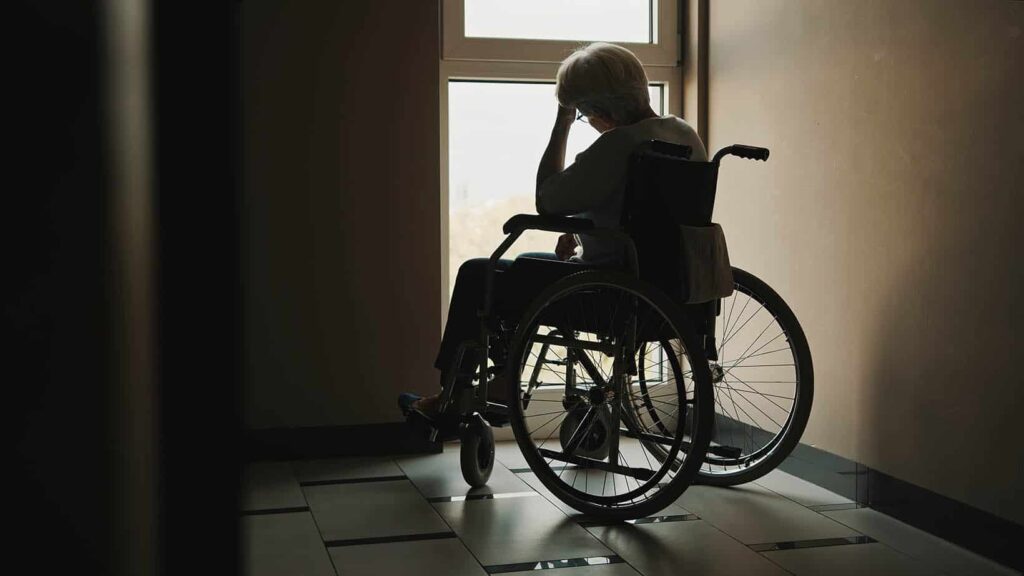
At Pellettieri Rabstein & Altman, we are dedicated to vigorously representing residents and families of residents who have been harmed by nursing home abuse or neglect caused by a variety of circumstances including the facility’s greed and practice of keeping staffing levels at bare minimum in order to save money. We have attorneys in Trenton, Cherry Hill, Morristown, Nutley and in other locations throughout New Jersey who are available to speak with you about your concerns about your loved one who has been harmed in an understaffed nursing home.
The Scope of Nursing Home Understaffing in New Jersey
Federal regulations require nursing homes to have sufficient staff to meet the needs of their residents, but there is no quantitative benchmark for determining sufficient staffing. That’s started to change, however. The federal government set a new minimum standard for the total amount of nursing care that nursing homes must provide to residents, and at least one RN must be on duty at all times, day and night.
New Jersey’s nursing homes have made strides to improve care and safety in recent years, but many facilities are still failing in critical ways. Federal data from nursing home inspections repeatedly identifies insufficient staffing as a leading deficiency in New Jersey facilities. Here in New Jersey’s most densely populated counties — Mercer, Camden, Morris, and Essex — nursing homes are still failing to provide residents with adequate care, repeatedly earning citations for issues that put seniors’ health and well-being at risk every day.
How Understaffing Directly Causes Neglect and Harm
The connection between inadequate staffing and resident harm is well-documented and, unfortunately, predictable. When there are not enough aides, nurses, and supervisors on the floor, basic care tasks are delayed, skipped, or rushed — with devastating consequences for residents who cannot advocate for themselves.
Pressure Ulcers (Bedsores)
Residents who are bedridden or wheelchair-bound must be turned and repositioned every two hours or so to prevent bedsores. When residents have critical care needs and facilities are understaffed, these crucial turns are not done in time, and serious pressure ulcers can develop rapidly. Stage III and IV pressure ulcers are a clear indicator of elder abuse and neglect.
Falls and Fractures
Nursing home residents require assistance with ambulating, transferring from their beds or wheelchairs to the bathroom, dressing, and other daily activities. Because call bells are answered slowly due to insufficient staffing, residents make moves for independence and fall. These falls can have severe outcomes including hip fractures, traumatic brain injuries, and decline in overall health. Facilities with lower RN-to-patient ratios report higher fall rates.
Medication Errors
Administering medications is a critical and often time-consuming task that requires careful attention to detail. However, when the number of patients assigned to a nurse’s care exceeds safe limits, the likelihood of mistakes, such as administering the wrong medication, wrong dose, or missing a dose entirely, increases dramatically. Further, without adequate monitoring for potentially dangerous interactions, residents are at risk for serious harm, including seizures, strokes, heart attacks, and even fatal overdoses as their bodies struggle to process the extra medications, particularly in the elderly population.
Dehydration and Malnutrition
Nursing home residents often need help eating and drinking. Without timely, dedicated aides, their meals and snacks get cut short, their hydration needs unmet, and residents may suffer dangerous malnutrition because they are unable to feed themselves independently. Chronic malnutrition and dehydration can undermine the immune system, accelerate cognitive decline, and even result in infections and organ failure.
Infections and Sepsis
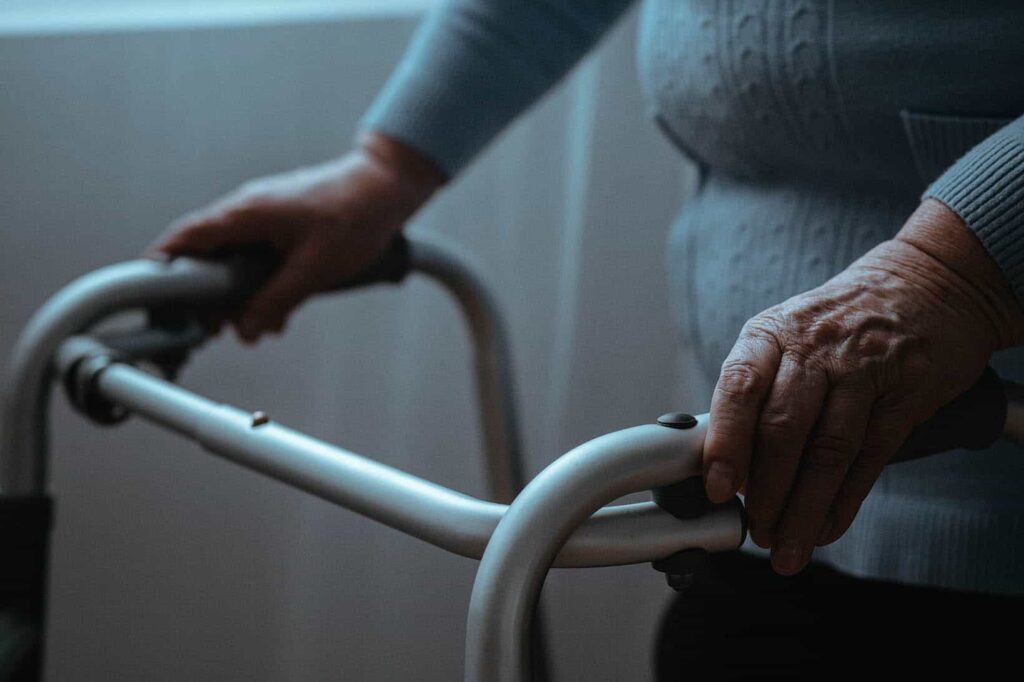
Maintaining good hygiene, proper wound care and catheter management is essential to preventing infections in the nursing home setting. However, these tasks require a lot of time and dedication, and often are compromised in understaffed settings. Residents are at risk for urinary tract infections, pneumonia, and even life threatening sepsis, which can progress rapidly in the elderly.
Emotional Neglect and Isolation
Physical neglect is only one aspect of residents’ overall quality of care. Many residents suffer from emotional neglect, left for hours alone, their calls for assistance ignored, or without meaningful social interaction. Residents in these understaffed settings often suffer emotional and psychological harm that can exacerbate their poor physical health, leading to depression, anxiety, and withdrawn behavior.
Warning Signs That a Nursing Home May Be Understaffed
Family members are often the first to notice the warning signs that a facility is dangerously short-staffed. If you observe any of the following during visits to a loved one’s nursing home in New Jersey, take them seriously:
- Call bells going unanswered for 15 minutes or longer
- Staff who appear rushed, stressed, or visibly overwhelmed
- Your loved one appearing unwashed, in soiled clothing, or with unkempt hair
- Unexplained weight loss or signs of dehydration
- New or worsening pressure sores
- Unattended falls or injuries with vague explanations
- Difficulty reaching a nurse or administrator by phone
- Inadequate supervision at night or on weekends
If you notice these warning signs, document them with photographs and written notes and contact a New Jersey nursing home neglect attorney promptly.
Legal Accountability for Understaffed Nursing Homes in New Jersey
Nursing homes in New Jersey, whether stand alone facilities or extensions of hospitals, must comply with both state and federal regulations. Those regulations mandate that such facilities provide an appropriate amount of care, including staffing. Failure to provide appropriate staffing can constitute negligence including knowing that such understaffing will result in injuries to residents.
New Jersey’s Nursing Home Responsibilities Act and federal nursing home reform laws under OBRA (Omnibus Budget Reconciliation Act of 1987) set forth a number of basic rights of nursing home residents. These rights focus on ensuring that each resident receives quality care and services that maintain their health status and prevent any deterioration. Any failure to comply with these standards and resulting injuries or damages can form the basis of a nursing home negligence lawsuit.
Families of nursing home residents who suffer serious injury or wrongful death due to understaffing may be entitled to pursue compensation for medical expenses, pain and suffering, emotional distress, relocation costs, and other related damages.
Frequently Asked Questions
Q: How do I know if understaffing caused my loved one’s injury?
A: Establishing causation requires investigating staffing records, incident reports, and medical records. An experienced New Jersey nursing home negligence attorney can subpoena staffing logs, review CMS inspection data, and retain expert witnesses to show the link between inadequate staffing and your loved one’s specific harm. Signs like bedsores, unattended falls, or repeated infections can strongly suggest neglect rooted in understaffing.
Q: What is the statute of limitations for a nursing home negligence claim in New Jersey?
A: In New Jersey, the general statute of limitations for personal injury claims is two years from the date of injury or the date you reasonably discovered the injury. For wrongful death claims, the two-year clock typically runs from the date of death. Acting quickly is important, evidence can disappear, and witnesses’ memories fade. Contact PR&A Law as soon as you suspect neglect.
Q: Can I file a complaint with a Government agency in addition to pursuing a lawsuit?
A: Yes. You can file a complaint with the New Jersey Department of Health (NJDOH), which licenses and inspects nursing homes, or with the Long-Term Care Ombudsman’s office, which investigates complaints on behalf of residents. These complaints can trigger investigations and inspections. However, a government complaint does not replace a civil lawsuit, and the remedies available through litigation, including financial compensation for your family, are separate.
Q: What if the nursing home claims the injury was an ‘accident’?
A: Nursing homes routinely attribute injuries to accidents to avoid liability. The key legal question is whether the injury resulted from a failure to meet the applicable standard of care, and understaffing is a failure of that standard. Our attorneys know how to look past these explanations, obtain the facility’s staffing and incident records, and build a compelling case for accountability.
Q: Does filing a lawsuit mean my loved one has to leave the facility?
A: Not necessarily, though many families choose to move their loved one to a safer facility as a top priority. Your decision to pursue legal action does not legally require relocation. That said, if a facility is genuinely dangerous, relocation may be the safest course of action. Our attorneys can advise you on both the legal and practical considerations.
Serving Nursing Home Abuse Victims Across New Jersey
Since its founding in 1929, PR&A Law has been dedicated to representing and fighting on behalf of New Jersey residents. Has your loved one been harmed at a nursing home in:
- Trenton
- Hamilton
- Lawrenceville
- Princeton
- Cherry Hill
- Camden
- Haddonfield
- Moorestown
- Morristown
- Madison
- Parsippany
- Nutley
- Bloomfield
- Clifton
We handle nursing home cases on a contingency fee basis. This means that you are charged nothing for our services unless we obtain a settlement or verdict for you.
Contact a New Jersey Nursing Home Neglect Attorney Today
If you believe that a loved one has been harmed by the lack of adequate staffing at a nursing home in New Jersey, don’t wait, each day that passes will bring the loss of additional evidence and delay of needed justice.
At Pellettieri Rabstein & Altman, our experienced attorneys are committed to representing families in cases like these. We offer a free initial consultation and you will not be charged any fees for our services unless we obtain a settlement or verdict on your behalf. We have extensive experience in holding facilities responsible for their negligent actions. Contact us today!


