

Estimated reading time: 11 minutes
Table of contents
- What Is Nursing Home Neglect in New Jersey?
- When Does Nursing Home Neglect Become Medical Malpractice?
- Examples of Nursing Home Cases That May Involve Medical Malpractice
- Nursing Home Negligence Can Involve More Than One Responsible Party
- Does a Medical Malpractice Claim Require an Expert in New Jersey?
- New Jersey Nursing Home Residents Have Legal Protections
- Nursing Home Neglect Cases Across New Jersey
- Evidence That May Be Important in a Nursing Home Case
- About Sherri L. Warfel
- Frequently Asked Questions About Nursing Home Neglect and Medical Malpractice in New Jersey
- Speak With a New Jersey Nursing Home Neglect Attorney
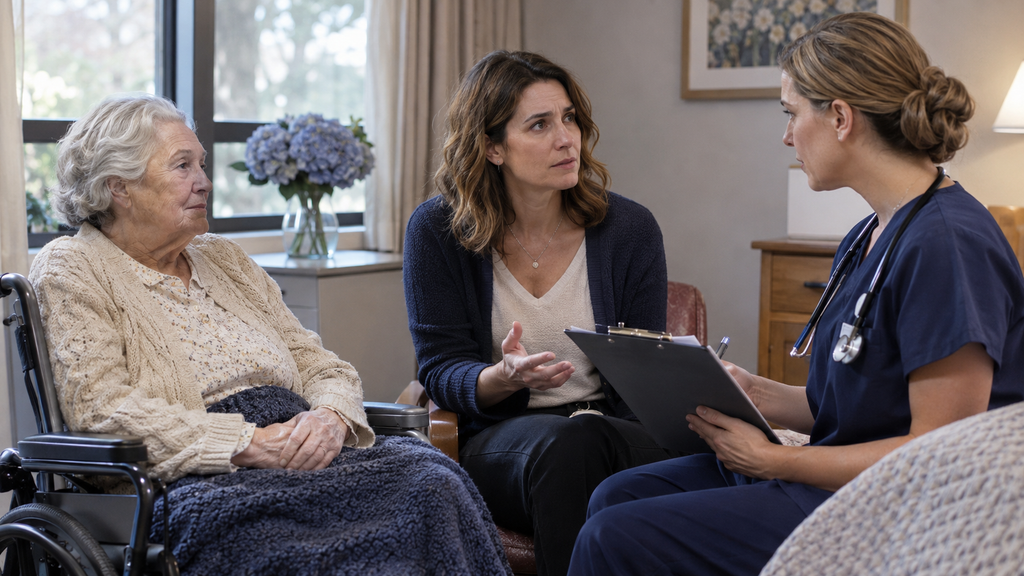
Many of our clients have described instances of harm to their loved ones in nursing home care by using terms such as neglect, negligence, and even medical malpractice.
Thus, while a case of neglect may also be a case of medical malpractice—for example, where a licensed healthcare provider failed to render proper medical care causing injury to a resident—other types of nursing home failures and injuries are simply cases of negligence, failure of supervision, staff inadequacy, unsafe conditions, and other violations of a resident’s rights.
Whether a nursing home neglect case is also a medical malpractice case depends upon several factors, including the legal requirements of the state, the type of expert testimony required, and the procedural requirements of the case.
The experienced New Jersey nursing home abuse and neglect lawyers at Pellettieri Rabstein & Altman investigate the circumstances of a resident’s injury, identify those responsible for the harm, and determine whether medical negligence played a role in the resident’s injury or harm.
What Is Nursing Home Neglect in New Jersey?
Nursing home neglect is generally defined as failure on the part of a nursing home or facility to provide necessary care to a resident, including but not limited to food, fluids, protection, supervision, and assistance as needed.
Neglect can take many forms, including:
- Failure to prevent or properly treat pressure sores (bedsores)
- Failing to provide sufficient food or hydration
- Medication errors
- Inadequate fall prevention measures
- Improper wound care
- Inadequate supervision
- Poor hygiene or sanitation
- Understaffing that interferes with appropriate resident care
- Failing to obtain timely medical treatment
Residents of nursing homes in New Jersey have rights under federal and state laws. These rights include the residents’ right to safety, dignity, information, and to have their medical needs met. Residents are also protected by their right to have their complaints addressed, to be free from abuse and neglect, and to receive information regarding the means of reporting alleged abuse and neglect. The Long-Term Care Ombudsman for New Jersey has also identified the rights of residents with respect to their care, their right to file complaints, their right to be free from abuse and neglect, and their right to receive information regarding alleged abuse and neglect.
When Does Nursing Home Neglect Become Medical Malpractice?
Whether a nursing home negligence claim also involves medical malpractice depends on the nature of the alleged wrongdoing and whether evaluating the care requires professional medical judgment.
Medical malpractice, on the other hand, generally is a claim against a licensed healthcare professional for his or her failure to meet an acceptable standard of care with resulting physical harm.
For example, consider a nursing home resident who has developed a serious infection, such as a urinary tract infection or pneumonia.
If the resident’s infection occurred because staff failed repeatedly to clean and bathe the resident and failed to change his soiled linens, then that would be a case of nursing home negligence.
For example, if a nurse had recognized symptoms of an infection in a resident, failed to properly assess the resident’s illness, failed to inform other staff members of the resident’s symptoms, failed to seek additional medical treatment for the resident’s illness, or failed to give the resident his or her medication as prescribed, then allegations of professional or medical negligence would also be involved.
Some cases involve both types of failures.
Examples of Nursing Home Cases That May Involve Medical Malpractice
Medication Errors
Nursing homes have many residents on many different prescription medicines.
A case may involve medical malpractice when a healthcare professional:
- Administers the wrong medication
- Gives the wrong dosage
- Fails to administer an important medication
- Fails to recognize a dangerous medication interaction
- Fails to monitor a resident after administering medication
Many errors are also caused by broader systemic problems within nursing homes, for example, by understaffing, by inadequate training of staff, by wrong entries in residents’ medical records, or by communication breakdowns.
Bedsores and Pressure Injuries
Residents who are unable to move around much are particularly susceptible to pressure injuries.
The facility is responsible for assessing the pressure sore risk for all residents and taking steps to mitigate those risks through such measures as turning and repositioning, skin assessments, adequate nutrition and hydration, provision of pressure-relieving devices, and wound care and monitoring.
Depending on the circumstances, a failure by healthcare professionals to properly assess or treat a pressure injury may also support a medical malpractice claim..
Failure to Diagnose or Treat an Infection
Senior citizens can contract infections easily. Be on the lookout for signs and symptoms of wounds and other infections, such as urinary tract or respiratory infections and more.
When nurses, doctors, and other healthcare professionals fail to recognize symptoms and treat illness properly, they can commit professional negligence.
Falls and Fractures
Not every nursing home fall is medical malpractice.
An inordinate number of falls result from ordinary negligence; for example, the home’s floor surfaces may be hazardous to its residents’ safety, or its residents may require assistance and supervision with activities but receive inadequate support.
These types of falls may also be connected to medical error or negligence, such as overmedicating a resident, failing to respond to changes in a resident’s physical or cognitive condition, or using improper transfer techniques.
- Improper medication
- Excessive sedation
- Failure to evaluate a resident’s fall risk
- Failure to respond to a change in physical or cognitive condition
- Improper transfer techniques
- Failure to implement medically necessary fall precautions
Nursing home falls can often be attributed to issues of lack of supervision, understaffing, and medication errors as well as failure to follow the resident’s care plan and other preventable causes and circumstances including the use of equipment to aid the resident’s mobility.
Nursing Home Negligence Can Involve More Than One Responsible Party
These types of cases can be complicated, as there are frequently many parties from different entities involved in the care of one resident.
Depending on the circumstances, potentially responsible parties could include:
- The nursing home
- A management company
- Nurses
- Physicians
- Nurse practitioners
- Medical directors
- Rehabilitation providers
- Pharmacies
An investigation into the circumstances of the resident’s avoidable harm often uncovers more than individual errors and reveals systems failures on a larger scale.
For example, the resident may have suffered from an avoidable pressure wound due to nursing staff failing to reposition him or her regularly. However, the wound could have then gone downhill quickly due to medical staff failing to diagnose or treat an infection.
Both incidents may need to be addressed in the legal case.
Does a Medical Malpractice Claim Require an Expert in New Jersey?
In most medical malpractice cases, and many other instances of professional negligence, the case will require the testimony of one or more experts to explain to the jurors the appropriate care that a healthcare provider would have provided in a particular situation and whether or not the healthcare provider at issue in the case met that appropriate standard of care.
The Affidavit of Merit statute can also apply to claims of professional negligence against a licensed individual.
These cases fall under N.J.S.A. 2A:53A-27, which mandates that a plaintiff bring a claim for professional negligence against a licensed person with an affidavit from a licensed professional of the same discipline an appropriately qualified licensed professional who meets the applicable statutory requirements as the defendant that there is a reasonable probability that the defendant’s conduct deviated from the acceptable standard of care in his or her treatment of the plaintiff. The affidavit must be served within 60 days of the date the defendant’s answer is filed or as extended for an additional 60 days for good cause shown.
The need for an Affidavit of Merit will depend upon the allegations made in the complaint and against which defendants. It is therefore wise to have the claim evaluated by an attorney at the earliest possible time.
New Jersey Nursing Home Residents Have Legal Protections
Nursing homes are more than just homes for people. Many residents of nursing homes have special medical needs, cannot walk, have cognitive impairments, and need assistance with daily living activities.
Families and residents of New Jersey have the right to expect quality care and to be protected by nursing home facilities from avoidable harm.
When neglect occurs and family members have reason to believe that neglect is occurring, they can file a complaint with the state when appropriate. The New Jersey Department of Health’s healthcare facility complaint hotline is available 24/7. Complaints regarding suspected abuse or neglect can be filed online and through phone regarding nursing homes and other licensed healthcare facilities.
Residents and their families can also contact the New Jersey Long-Term Care Ombudsman who advocates for residents of long-term care facilities throughout the State.
Nursing Home Neglect Cases Across New Jersey
Nursing home neglect affects families throughout New Jersey.
PR&A’s clients include individuals and families from throughout the State of New Jersey, including residents of Mercer County, Middlesex County, Burlington County, Camden County, Morris County, Essex County, and Monmouth County, among other areas.
Our New Jersey law offices, located in Lawrence Township, Trenton, Cherry Hill, Morristown, and Nutley, serve clients from across Northern, Central, and Southern New Jersey.
Evidence That May Be Important in a Nursing Home Case
An investigation may involve reviewing:
- Medical records
- Nursing notes
- Medication administration records
- Wound documentation
- Incident reports
- Photographs
- Hospital records
- Staffing records
- Inspection or regulatory records
- Witness statements
- Surveillance footage, when available
Obtaining these records can help determine whether the problem was an isolated mistake or evidence of a larger pattern of inadequate nursing home care.
About Sherri L. Warfel
Sherri L. Warfel is a Partner at Pellettieri Rabstein & Altman and Chair of the Nursing Home Abuse and Neglect practice group. With over 25 years of practice experience, Sherri represents victims of nursing home abuse, neglect, and incompetence.
Warfel handles cases of pressure sores, preventable falls, and injuries, including fractures, head injuries, infections, and abuse. Many of her cases result in settlement, while others are tried before a jury. She has handled hundreds of cases throughout her career.
She is a Civil Trial Attorney certified by the Supreme Court of New Jersey. She is a graduate of The College of New Jersey for undergraduate studies and Rutgers School of Law.
Frequently Asked Questions About Nursing Home Neglect and Medical Malpractice in New Jersey
Q: Is nursing home neglect considered to be medical malpractice in New Jersey?
A: Occasionally, a nursing home neglect claim involves issues of medical malpractice, for example, where the alleged negligence involves some aspect of the medical care of a resident by a licensed healthcare professional. Often, however, nursing home neglect is simply ordinary negligence on the part of the facility or its employees, an unsafe condition, inadequate supervision, or understaffing.
Q: Can you sue for nursing home neglect and also for medical malpractice?
A: Multiple parties may be responsible for the resident’s injuries resulting from negligent care.
Q: Is a medication error in a nursing home medical malpractice?
A: It can be considered medical malpractice. Errors made by nurses, physicians, and other healthcare professionals, such as pharmacists, in relation to administering medication to residents can be considered professional negligence.
Q: Are bedsores considered nursing home negligence?
A: While bedsores do not in and of themselves prove neglect, a pressure sore that has become worse due to lack of proper assessment, turning and positioning, monitoring, adequate nutrition, proper wound care, etc. could be evidence of neglect through substandard care provided by the nursing home and its medical staff.
Q: Is the Nursing Home Responsible for a Fall of a Resident?
A: It depends on the circumstances surrounding the resident’s fall. The facility may be held accountable for a fall that was preventable and resulted from the facility’s failure to supervise the resident, follow the resident’s care plan, maintain a safe environment, transfer the resident properly, manage the resident’s medications, or otherwise address the known fall risk of the resident.
Speak With a New Jersey Nursing Home Neglect Attorney
Often in nursing home neglect cases, a claim for nursing home negligence will arise in conjunction with claims for the inadequate medical care provided by the resident’s health care providers while the resident was a patient at the facility.
Many cases of nursing home neglect are also the subject of medical malpractice claims. As seasoned nursing home abuse lawyers who handle nursing home neglect cases in New Jersey, the attorneys at Pellettieri Rabstein & Altman investigate and, in many cases, discover neglect, analyzing both facility policies and procedures as well as medical treatment provided by individual healthcare professionals to a nursing home resident to identify and assert all available claims against all responsible individuals and entities.
Contact the experienced nursing home abuse attorneys at PR&A for a free case review if your loved one has been subjected to neglect, substandard care or abuse in a nursing home.


